The New Geopolitical Reality: Why Pharmaceutical Supply Chains Have Entered a New Era
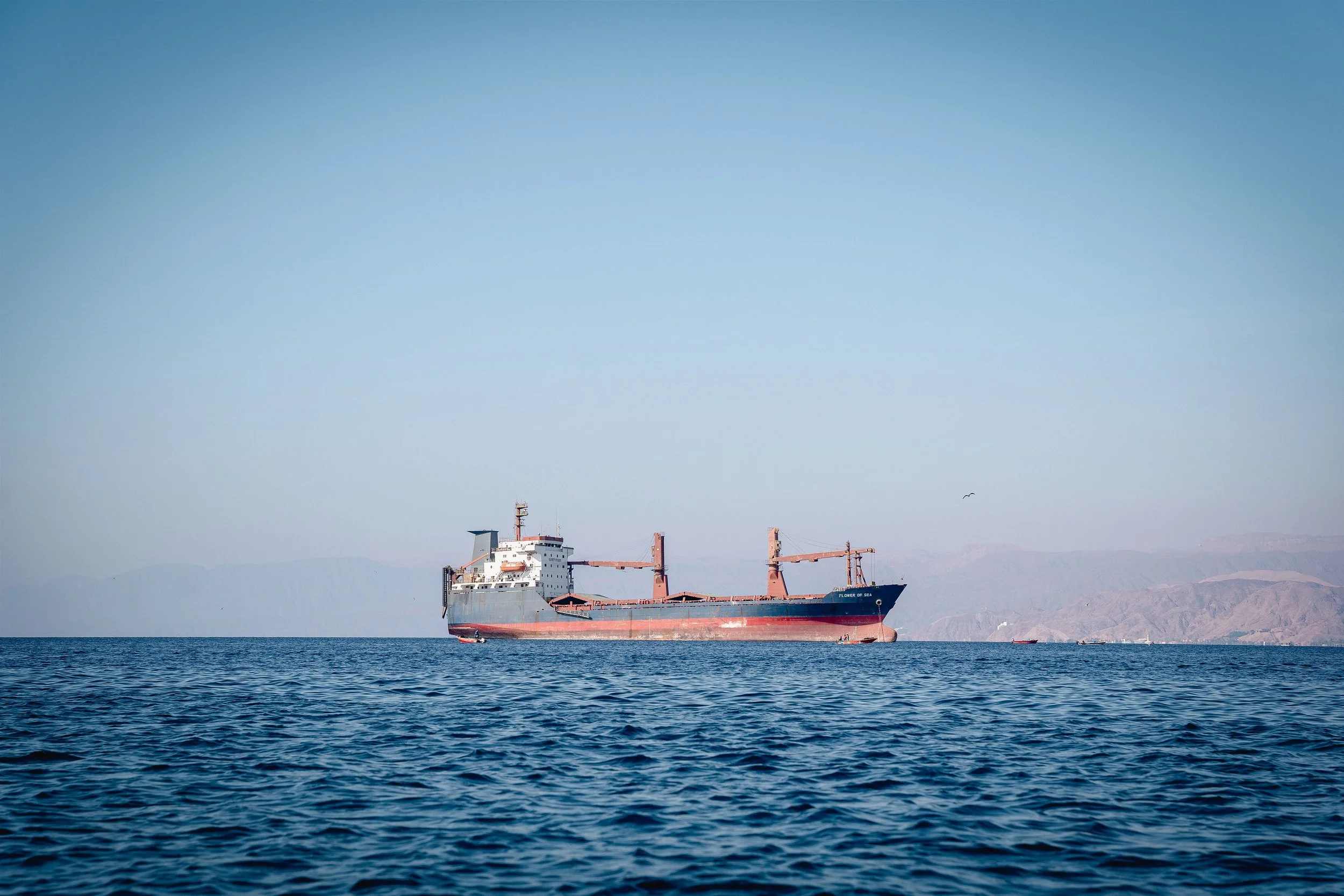
For many years, pharmaceutical supply chains were designed around efficiency. Production sites were optimized, inventories reduced and transportation networks carefully synchronized to minimize costs while maintaining GDP compliance. Today's environment demands a different mindset. Recent tensions between the United States and Iran have once again demonstrated how vulnerable global logistics remain to geopolitical events. Shipping through the Strait of Hormuz—one of the world's most critical maritime chokepoints—has experienced significant disruption, while insurance premiums, security costs and route uncertainties have increased substantially. Even temporary interruptions immediately affect fuel markets and transportation planning. For pharmaceutical logistics providers, the consequences extend far beyond higher fuel prices. Airlines continuously reassess available air corridors. Ocean carriers evaluate alternative routes. Transit times become increasingly unpredictable, while contingency planning becomes a daily operational requirement rather than an annual exercise.
The conflict in Ukraine continues to influence European logistics as well. Closed airspace, damaged infrastructure and increasing security concerns continue to reshape transport networks throughout Europe. Combined with persistent attacks on Russian energy infrastructure, volatility in diesel prices and transportation costs remains an important consideration for logistics managers.
Meanwhile, China's economic growth has slowed compared with previous years. Lower manufacturing output and changing export dynamics are encouraging many pharmaceutical companies to reassess their sourcing strategies. Diversification toward India, Southeast Asia and regional manufacturing hubs has accelerated, not only to reduce costs but also to improve supply chain resilience.
Taken together, these developments represent far more than isolated geopolitical events.
They illustrate a structural transformation of global pharmaceutical logistics.
The traditional focus on cost optimization is gradually being replaced by supply assurance. Strategic inventories, multiple qualified suppliers, validated alternative transport routes and flexible packaging solutions capable of protecting products during extended transit times are becoming executive priorities.
Cold chain packaging itself is evolving from a protective component into a strategic enabler. High-performance passive packaging solutions allow companies to tolerate unexpected delays while maintaining product integrity and regulatory compliance.
In this environment, resilience has become measurable business value.
Organizations that invest today in diversified logistics networks, strategic partnerships and proactive risk management will be significantly better positioned to maintain uninterrupted patient supply when the next disruption inevitably occurs.
The pharmaceutical industry has always adapted to change. The current geopolitical landscape simply raises the standard for how quickly—and how strategically—we must respond.
I would be delighted to hear your perspective. How is your organization adapting its pharmaceutical supply chain strategy to today's geopolitical realities?
Please share your thoughts, follow us on LinkedIn:
https://www.linkedin.com/company/pharma-logistics-services/?viewAsMember=true
and visit our website: https://www.ipharmalogistics.com/contact-us