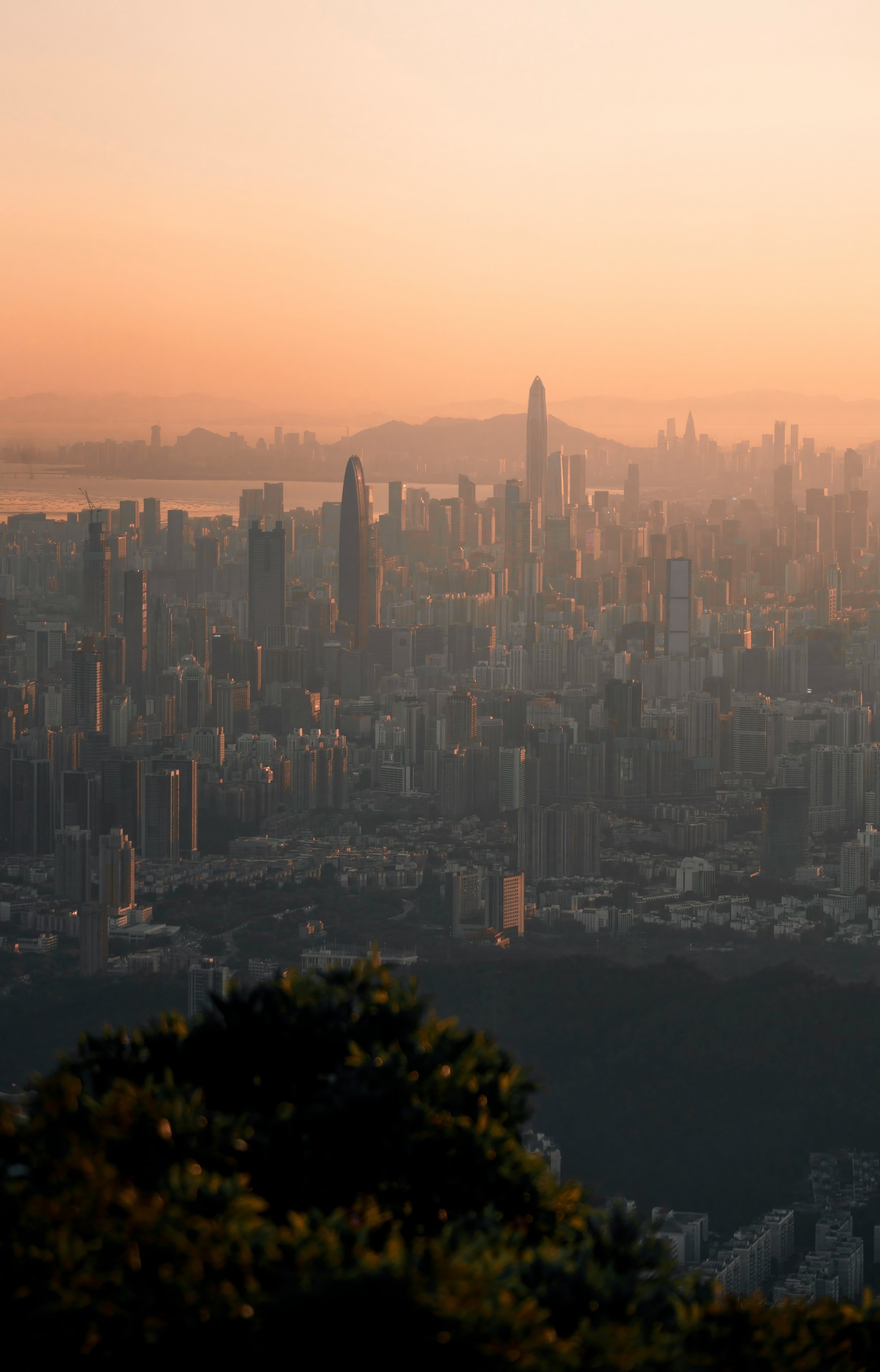
The recent meeting between Donald Trump, Xi Jinping and Vladimir Putin in Shenzhen attracted worldwide attention. However, beneath the diplomatic symbolism an important question remains: how stable will international trade actually be in 2027?The US–China trade truce is currently scheduled to expire on 10 January 2027. Although both Washington and Beijing have signalled their willingness to continue negotiations, businesses cannot base long-term supply chain decisions on political expectations alone. For the pharmaceutical industry, this uncertainty has significant implications.
China remains an important source of pharmaceutical ingredients, packaging materials, chemicals and manufacturing components. Any renewed restrictions, tariffs or export controls could affect production schedules and international distribution. The challenge extends beyond procurement. Transport networks are equally exposed to geopolitical developments. Changes in trade flows can create new demand for particular shipping routes, airports and logistics hubs, potentially affecting capacity and costs.
Pharmaceutical executives should therefore review three priorities:
Sourcing resilience: Identify critical dependencies on individual countries and suppliers.
Transport flexibility: Establish alternative air, sea and road transport options before disruption occurs.
Packaging independence: Reduce unnecessary dependency on specialised active equipment and infrastructure.
This third aspect deserves greater attention. Passive temperature-controlled solutions, including the delta T Pallet Shippers, provide opportunities to transport pharmaceutical products without depending on regularely powered refrigeration systems. Their PCM-based temperature control and insulation technology support qualified transport solutions across different logistics challenges. For suitable shipments, passive pallet shippers can simplify carrier selection, improve multimodal flexibility and reduce equipment-related dependencies compared with active containers. The objective is not to eliminate active solutions, but to select the right technology for each transport requirement.
The time to build resilience is before the next disruption, not during it.
How prepared is your organisation for a renewed trade conflict? Share your opinion and join our professional discussion on LinkedIn – Pharma Logistics Services. Discover our expertise and contact us through our website.