Medical Innovation Is Accelerating – Can Pharmaceutical Logistics Keep Pace?
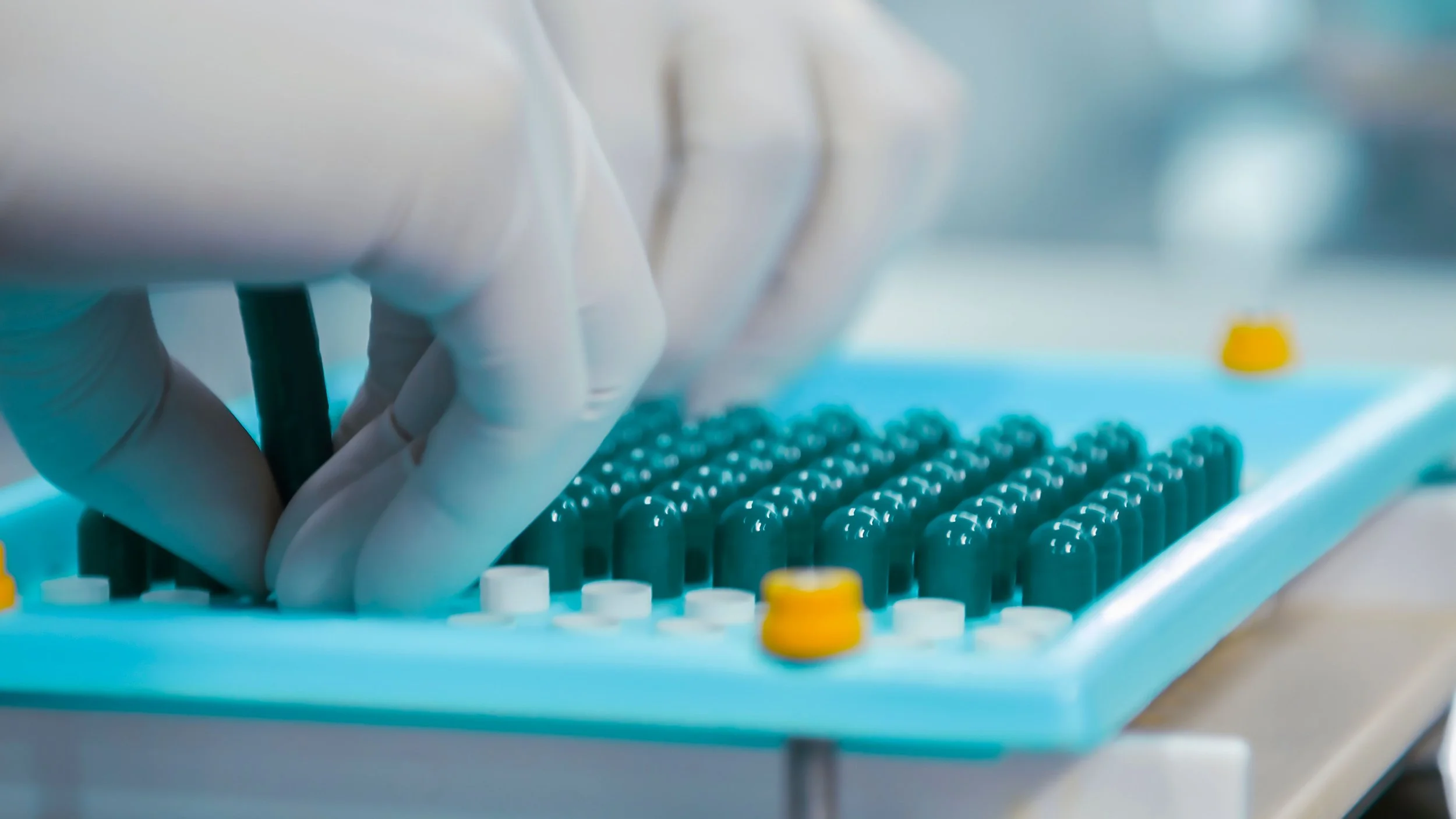
The pharmaceutical industry continues to deliver remarkable scientific achievements. Recent advances in Alzheimer's research have generated renewed optimism, with innovative therapies targeting tau proteins offering new possibilities for slowing disease progression. At the same time, regulatory authorities have approved more patient-friendly treatment options, including the first at-home initiation of Alzheimer's therapy, marking another important milestone in patient-centered care.
The oncology pipeline remains equally dynamic. New targeted therapies for breast cancer continue to demonstrate encouraging Phase III results, while recent regulatory approvals reinforce the growing importance of precision medicine. Every new treatment represents another opportunity to improve patient outcomes—but also introduces additional complexity into pharmaceutical manufacturing and distribution.
Progress is equally encouraging in addressing opioid use disorder. Long-acting formulations, including weekly extended-release therapies, have shown significant promise in improving patient adherence while reducing treatment barriers. These innovations have the potential to transform addiction care and improve public health on a global scale.
Yet behind every medical breakthrough lies an often-overlooked reality.
No medicine benefits a patient unless it can be manufactured, stored, transported and delivered under precisely controlled conditions.
Many next-generation therapies are significantly more sensitive than traditional pharmaceuticals. Biologics, monoclonal antibodies, cell and gene therapies, RNA-based medicines and personalized treatments require increasingly sophisticated temperature-controlled logistics, validated packaging systems and continuous shipment monitoring.
This transformation is changing the role of pharmaceutical logistics.
Supply chain organizations are no longer simply transportation providers. They have become strategic partners in safeguarding product quality throughout the entire distribution process. Every handover, every warehouse, every airport and every transport lane must consistently maintain GDP compliance while minimizing risk.
Packaging technologies are evolving accordingly. High-performance passive packaging, advanced phase-change materials, vacuum insulation panels and real-time temperature monitoring enable pharmaceutical companies to maintain product integrity even during unexpected delays or complex international shipments.
Digitalization is accelerating this evolution. Artificial intelligence, predictive analytics and real-time shipment visibility provide logistics teams with the ability to anticipate disruptions before product quality is compromised. Increasingly, pharmaceutical companies are integrating logistics data into broader enterprise risk management strategies, enabling faster decision-making and greater supply chain resilience.
The pace of scientific innovation will only continue to increase.
For pharmaceutical executives, this means that investment in logistics infrastructure, strategic partnerships and cold chain capabilities is no longer a supporting function—it is an essential component of innovation itself. Every breakthrough therapy deserves an equally innovative supply chain capable of delivering it safely to patients anywhere in the world.
Scientific discovery changes lives - Outstanding pharmaceutical logistics ensures those discoveries actually reach the people who need them most.
How is your organization preparing its supply chain for the next generation of advanced therapies?
I would be delighted to hear your perspective. Please join the discussion on our LinkedIn page: https://www.linkedin.com/company/pharma-logistics-services/?viewAsMember=true To learn more about our pharmaceutical logistics consulting services, visit: https://www.ipharmalogistics.com/contact-us