Conflict Zones and the Fragility of Pharma Transport Corridors
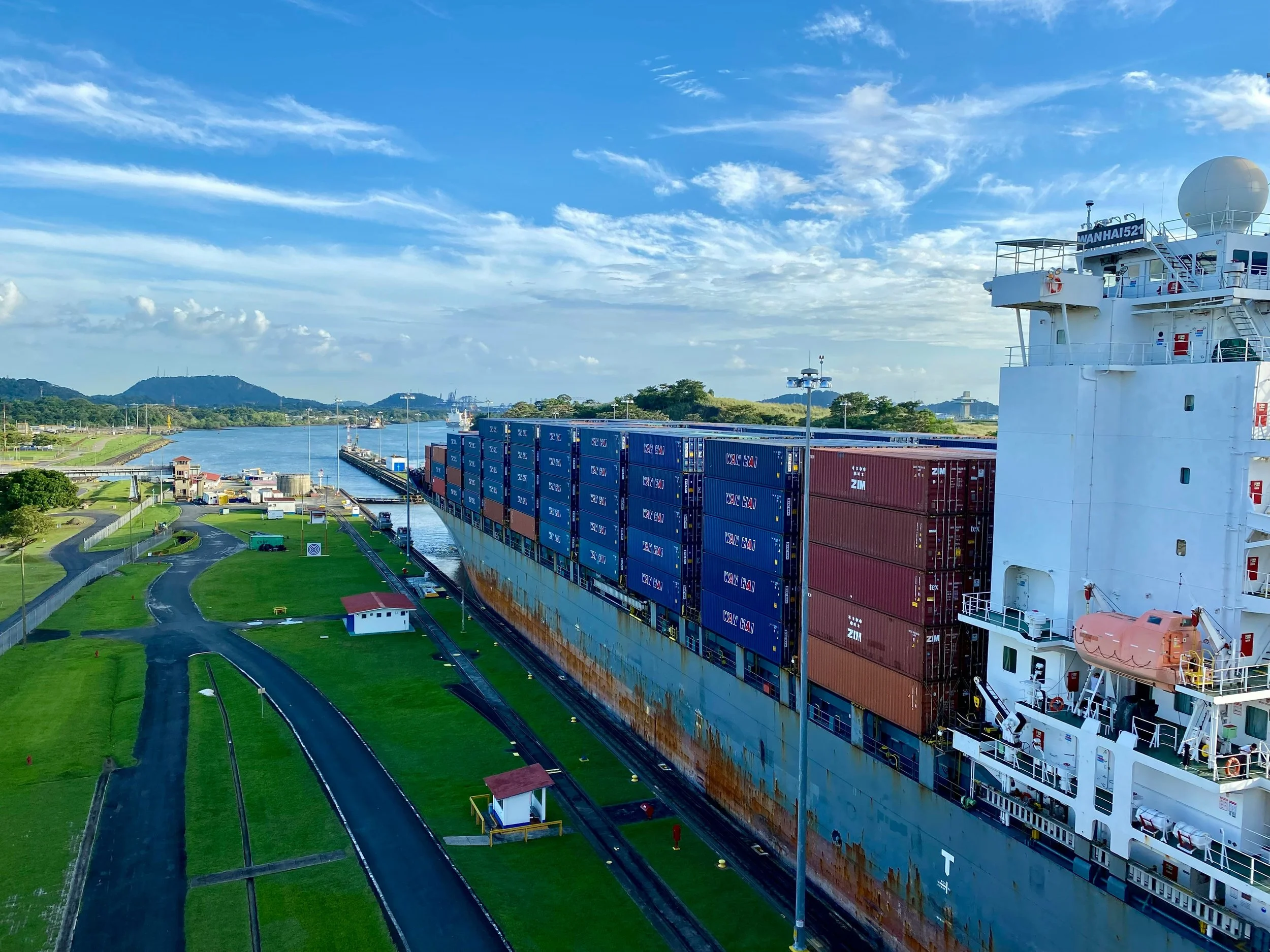
The wars in Ukraine and Gaza illustrate how quickly established logistics corridors can become constrained or inaccessible. Airspace closures, port disruptions, and heightened security risks force pharmaceutical shipments onto longer, more expensive, or less predictable routes. For temperature-controlled and time-critical products, such deviations are not trivial.
Pharma supply chains were optimized for efficiency, not for sustained geopolitical disruption. Today, resilience must take priority. This means identifying alternative corridors, strengthening relationships with multiple logistics partners, and reassessing dependency on single routes or hubs.
Insurance premiums, security surcharges, and compliance complexity are rising. At the same time, authorities expect uninterrupted access to essential medicines. This creates tension between cost control and risk mitigation—a balance that must be actively managed at executive level.
Organizations that proactively map geopolitical risk to transport infrastructure will be better positioned to protect patient supply. Those that react too late may find themselves constrained by limited capacity and escalating costs.
👉 Join the conversation on LinkedIn and share how your organization is adapting its transport strategy. Connect with us to exchange insights.
LinkedIn: https://www.linkedin.com/company/pharma-logistics-services/?viewAsMember=true
Website: https://www.ipharmalogistics.com/contact-us